Spring Chimney Reconstruction Ideas From Trusted Local Service Providers
Spring is the perfect time for property owners to connect with local contractors for chimney reconstruction, ensuring a safe, functional, and refreshed fireplace.
Spring is often considered an ideal time to evaluate and undertake chimney reconstruction projects. As the weather warms and outdoor activities increase, property owners may notice signs of wear or damage that require attention. Additionally, spring provides a practical window for planning and preparing for upcoming seasons, ensuring that chimneys are safe and functional before the colder months return. This season's milder conditions make it easier to access and work on chimneys, reducing the likelihood of weather-related delays and facilitating thorough inspections and repairs.
Chimney reconstruction services typically encompass a range of tasks aimed at restoring or replacing damaged or deteriorated components. These services often include rebuilding or repairing chimney crowns, replacing bricks or mortar, addressing structural issues, and ensuring proper ventilation and safety features are in place. Skilled contractors may also inspect flues, liners, and other critical parts to assess their condition and determine whether repairs or complete reconstructions are necessary. The goal is to improve the chimney’s integrity, safety, and functionality, helping property owners enjoy peace of mind and reliable performance.
When comparing local service providers for chimney reconstruction, property owners should consider the experience and reputation of each contractor. It’s beneficial to review their portfolio of completed projects, ask about the scope of services offered, and inquire about their approach to safety and quality standards. Gathering information about their methods and materials can help distinguish between options and ensure that the chosen contractor aligns with the specific needs of the property. Consulting with multiple local providers allows for a clearer understanding of available services and helps identify the most suitable professionals for the project.
Plan your spring chimney reconstruction by outlining priorities and comparing local contractors to find the best fit.
- Assessment and Inspection - Local contractors can evaluate the condition of existing chimneys to determine reconstruction needs.
- Design and Planning - Service providers can help select appropriate materials and design options for spring projects.
- Reconstruction Services - Experienced contractors can handle masonry, brickwork, and structural repairs for chimneys.
- Permitting and Compliance - Local professionals can assist with necessary permits and ensure reconstruction meets building standards.

Before comparing options, clearly describe your chimney reconstruction project to help local contractors recommend suitable solutions.
- Inspect the chimney structure for signs of damage or deterioration that may need repair. - Look for cracked or crumbling masonry, loose bricks, or rusted metal components.
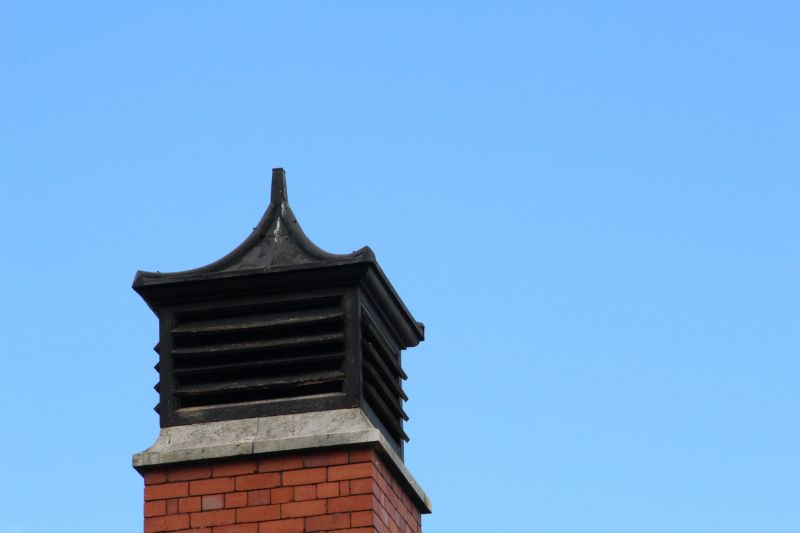
- Evaluate the chimney cap and crown for cracks, corrosion, or missing parts that could lead to leaks or debris entry. - Ensure these top elements are intact and properly sealed.
- Check for creosote buildup or obstructions inside the chimney that could impede proper ventilation. - Consider having a professional perform a thorough cleaning if necessary.
- Assess the condition of the chimney flue lining for cracks, deterioration, or missing sections that compromise safety. - Repair or replace damaged liners to prevent hazards.
- Examine the surrounding masonry for signs of water damage, mold, or efflorescence that indicate moisture issues. - Address any moisture problems to protect the chimney’s integrity.
- Consult local contractors to determine if reconstruction is needed to restore the chimney’s stability and safety. - Gather expert opinions to plan appropriate repairs or rebuilds.
Use this as inspiration to refine your chimney reconstruction scope with trusted local contractors.
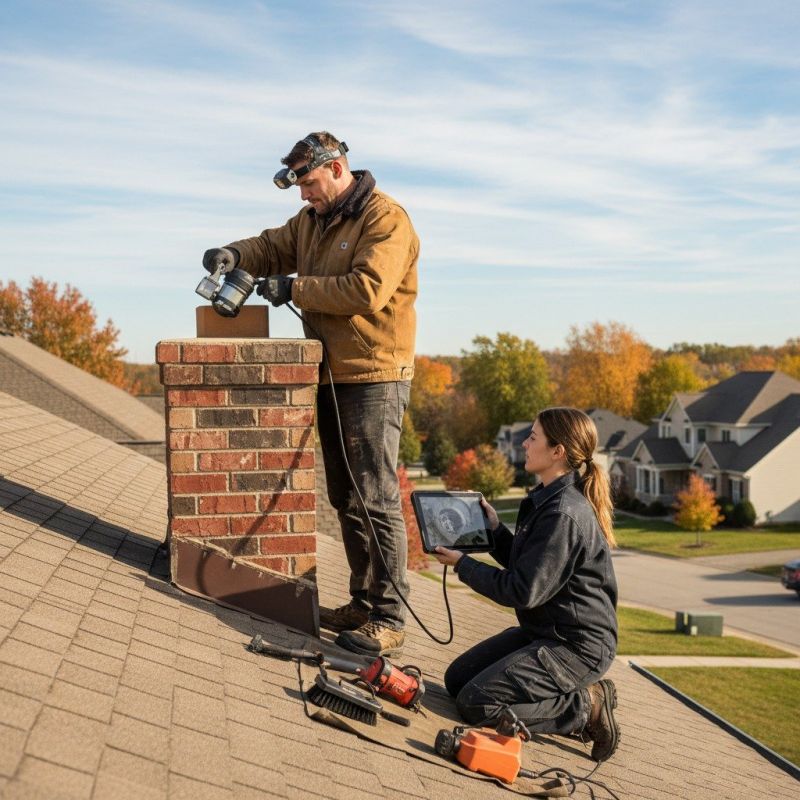
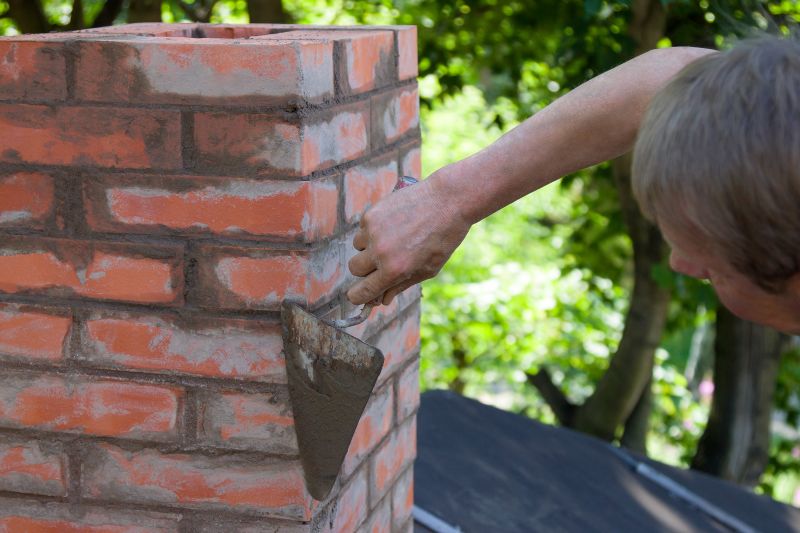
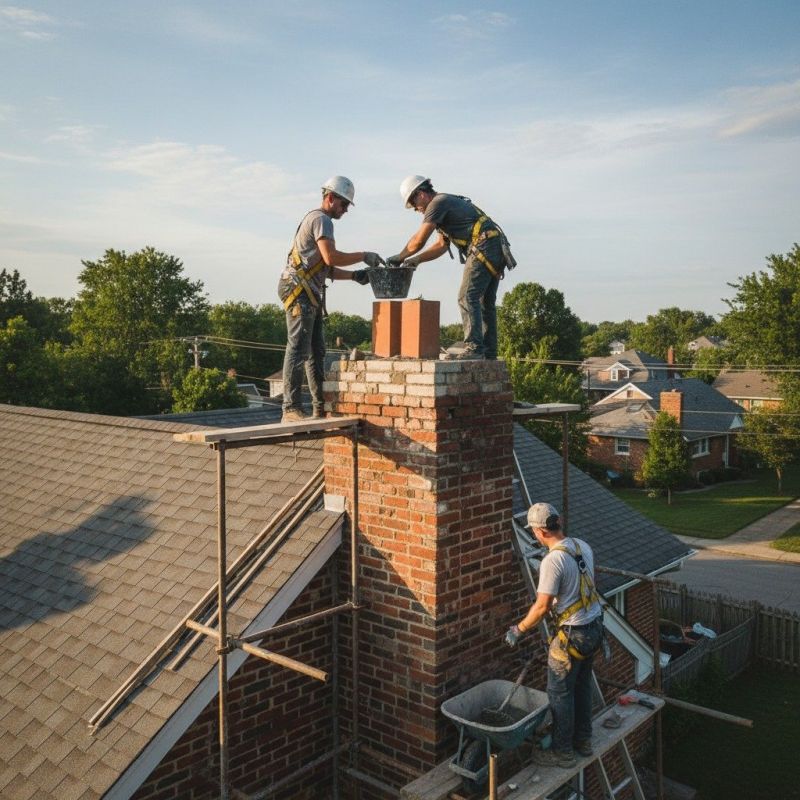
Prioritize your chimney reconstruction needs and compare local contractors to find the best fit for your spring project.
- Chimney Inspection and Assessment - Spring is an ideal time to have local contractors evaluate the condition of a chimney after winter use. They can identify structural issues or damage that may need attention before summer.
- Chimney Rebuilding or Repair - Reconstructing or repairing a chimney can restore safety and functionality, especially if winter weather caused deterioration. Experienced service providers can handle masonry repairs and reconstruction.
- Chimney Crown Restoration - Restoring or replacing the chimney crown helps prevent water intrusion and further damage, making it a practical spring project. Local specialists can ensure proper sealing and waterproofing.
- Flue and Venting System Updates - Spring is a good time to upgrade or repair flues and venting systems to improve efficiency and safety. Local contractors can recommend and install suitable options.
- Chimney Cap Installation or Replacement - Installing or replacing chimney caps during spring helps keep debris, animals, and moisture out, protecting the chimney’s interior. Service providers can supply and install the right caps for the job.
Compare local contractors' scope options for chimney reconstruction to ensure consistent details across providers during spring planning.
- Assessment of Existing Chimney Structure - Determine the current condition of the chimney to identify areas needing reconstruction or repair.
- Material Selection - Choose appropriate materials that match the original construction or meet modern safety standards.
- Design and Structural Planning - Define the reconstruction design to ensure stability, proper ventilation, and compatibility with the building structure.
- Compliance with Building Codes - Ensure the reconstruction plan aligns with local building regulations and safety requirements.
- Scope of Work Definition - Clearly outline the specific tasks and responsibilities for the local contractors handling the reconstruction.
When considering chimney reconstruction during the spring season, it is important to evaluate the experience of local contractors with similar projects. Homeowners should inquire about the types of chimney rebuilds the service providers have completed in the past, ensuring they have familiarity with the specific challenges that can arise during reconstruction. An experienced contractor will understand the nuances of working with different chimney styles, materials, and structural considerations, which can contribute to a smoother project process and a more reliable outcome.
Clarity in the scope of work is a vital aspect when comparing local service providers. Homeowners are encouraged to seek detailed descriptions of what each contractor’s reconstruction process includes, such as the extent of demolition, material replacement, and finishing work. A well-defined scope helps prevent misunderstandings and ensures that expectations are aligned early on. Clear communication about the project’s boundaries also facilitates better planning and coordination, especially as spring weather encourages outdoor projects and structural refreshes.
Work planning considerations are especially relevant during the spring, when weather variability can impact construction schedules. Homeowners should discuss with potential contractors how they plan to accommodate springtime conditions, such as rain or fluctuating temperatures, which could influence the timing and sequencing of the project. Experienced local pros will have strategies for weather-related delays and will prioritize safety and quality during planning. Understanding their approach to scheduling and contingency planning can help homeowners feel more confident in the project’s progression.
Finally, evaluating options among local contractors involves assessing their approach to project management and communication. Homeowners should ask how each service provider plans to coordinate the reconstruction process, including timelines, material sourcing, and site preparation. It’s also helpful to consider how they handle unexpected issues or changes during the project. By comparing these aspects, homeowners can identify which local pros demonstrate professionalism, transparency, and a thorough understanding of chimney reconstruction, making it easier to select a partner suited to their spring renovation goals.
Ask service providers to provide written scope details to ensure clarity and consistency for your spring chimney project.
- Chimney Reconstruction Scope - What specific aspects of the chimney need to be reconstructed and how do different providers define the scope of work?
- Material and Design Options - How do local contractors compare in terms of available materials and design choices for chimney reconstruction?
- Experience and Specialization - What experience do local service providers have with chimney reconstruction projects similar in scope and complexity?
- Inspection and Assessment - How do providers evaluate the current condition of the chimney to determine the necessary reconstruction steps?
- Warranty and Post-Project Support - What types of warranty coverage and follow-up services do local contractors offer after completing the reconstruction?
What is involved in chimney reconstruction? Chimney reconstruction typically includes assessing the existing structure, repairing or replacing damaged bricks or liners, and ensuring the chimney meets safety standards. Local contractors can evaluate the condition and recommend necessary updates.
When should a chimney be reconstructed? Reconstruction may be needed if there are signs of significant damage, such as cracks, leaning, or deterioration. Spring is a popular time to plan repairs to prepare for upcoming heating seasons.
What materials are used for chimney reconstruction? Common materials include durable bricks, mortar, and liners designed to withstand high temperatures and weather exposure. Local service providers can suggest suitable options based on the chimney’s condition.
How can I prepare for chimney reconstruction in spring? Preparing involves scheduling an inspection with a local contractor, clearing the area around the chimney, and discussing the scope of work needed for the reconstruction project.
Are there different styles of chimney reconstruction? Yes, reconstruction can range from restoring the original appearance to modernizing the structure for improved safety and efficiency. Local pros can help determine the best style for the property.
What are common reasons to choose chimney reconstruction during spring? Spring offers a good opportunity to address chimney issues after winter, allowing for repairs before the next heating season and taking advantage of milder weather for construction work.
Spring is an ideal season to consider chimney reconstruction, whether for safety, functionality, or aesthetic updates. Visitors to this page have learned about the key aspects of chimney reconstruction, including assessing damage, choosing suitable materials, and understanding the importance of professional craftsmanship. To explore options and find experienced local contractors capable of handling chimney rebuilds, use the quote form to compare providers in the area and connect with those best suited to meet specific project needs.
When planning a chimney reconstruction, gathering information from trusted local service providers can help clarify available solutions and ensure the job aligns with seasonal planning. Using the quote form allows for easy comparison of local contractors, making it simple to find professionals who can assist with your project. This approach supports informed decisions and connects you with local experts ready to help bring your spring renovation ideas to life.
Providing clear details about your chimney reconstruction project helps local contractors understand your needs accurately.
- Chimney Inspection - details about the current condition of the chimney and identifying any potential issues.
- Reconstruction Goals - information on the desired outcomes or specific features to be included in the reconstruction.
- Material Preferences - preferences or requirements for the types of materials to be used during reconstruction.
- Access and Site Details - information about the location, accessibility, and any site-specific considerations for the project.